The examples on this page show what Bobtail's image analysis makes possible, roughly in the order we expect to build them. Today we are building the first product: a direct vectorization SDK for developers, with faithful upscaling included. See the roadmap for where each application sits, or how it works for the technical story.
Improve the quality of existing images, without inventing detail.
Bobtail's analysis can be used to improve the quality of existing images in several different ways.
Use it to remove noise, increase the resolution, or to turn a bitmap into a vector image, without adding detail that was not in the original.
Remastering
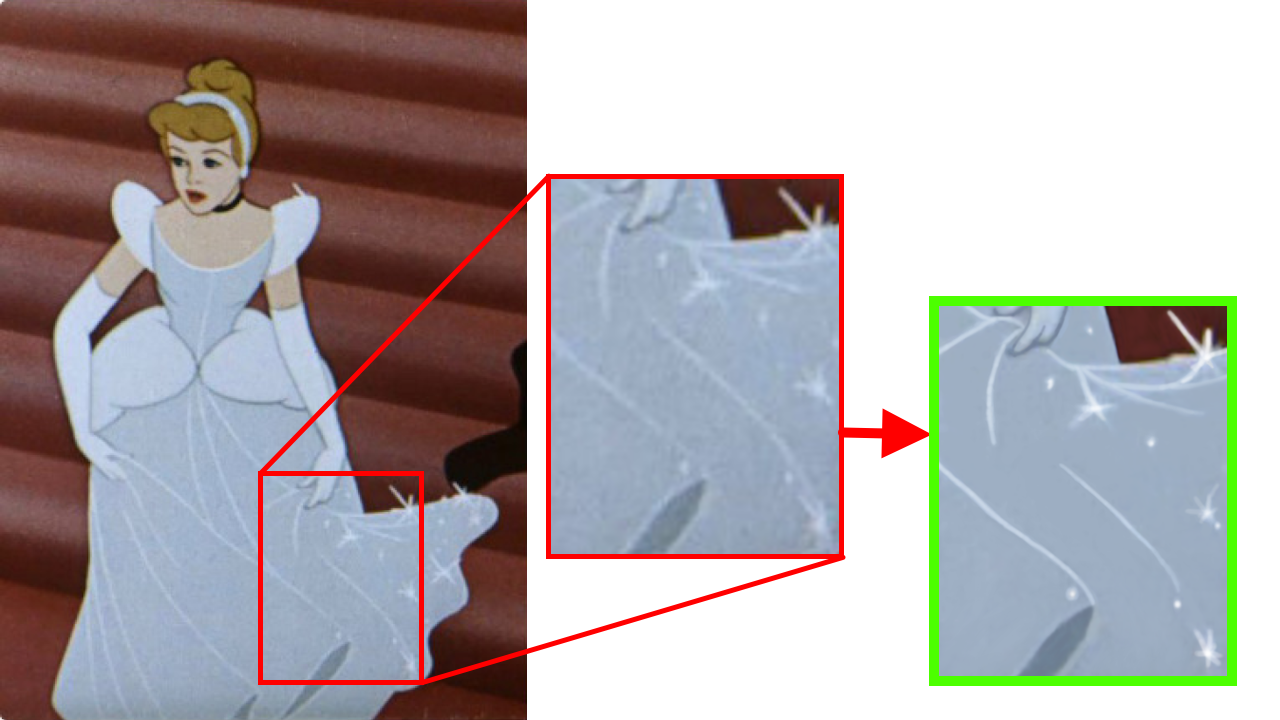
Because Bobtail re-projects the structure of an image at any resolution, images and video can be remastered into higher quality while removing noise, with every feature in the result traceable to the original.
Vectorization
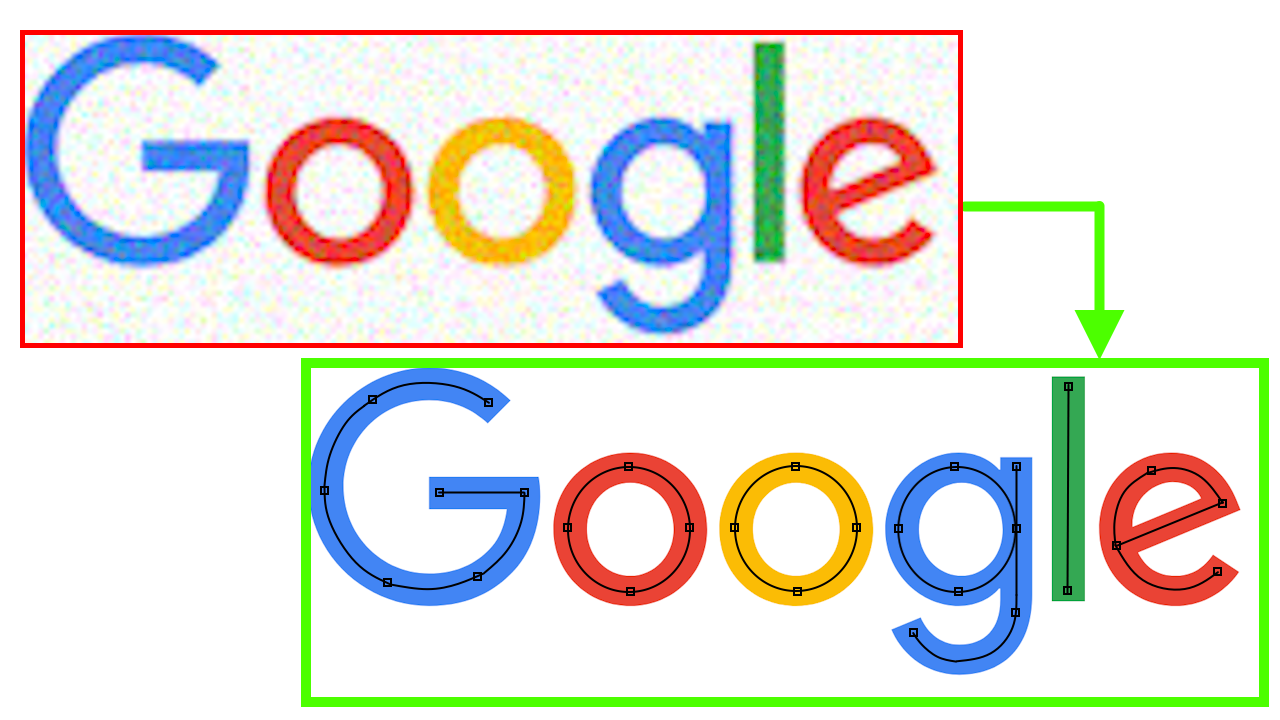
Bobtail turns even the most complicated image or photo into a vector-based definition. This is the first product we are building: a vector SDK for developers.
Give image editing applications an understanding of the image.
Bobtail gives an image editing tool the ability to understand what is in the image.
The analysis maps out the patterns in the image, which makes advanced tools possible: altering the image, extending existing content, and creating new content. We do not plan to build an editor ourselves. The goal is to license this capability to the vendors who already make them.
Magic Wand
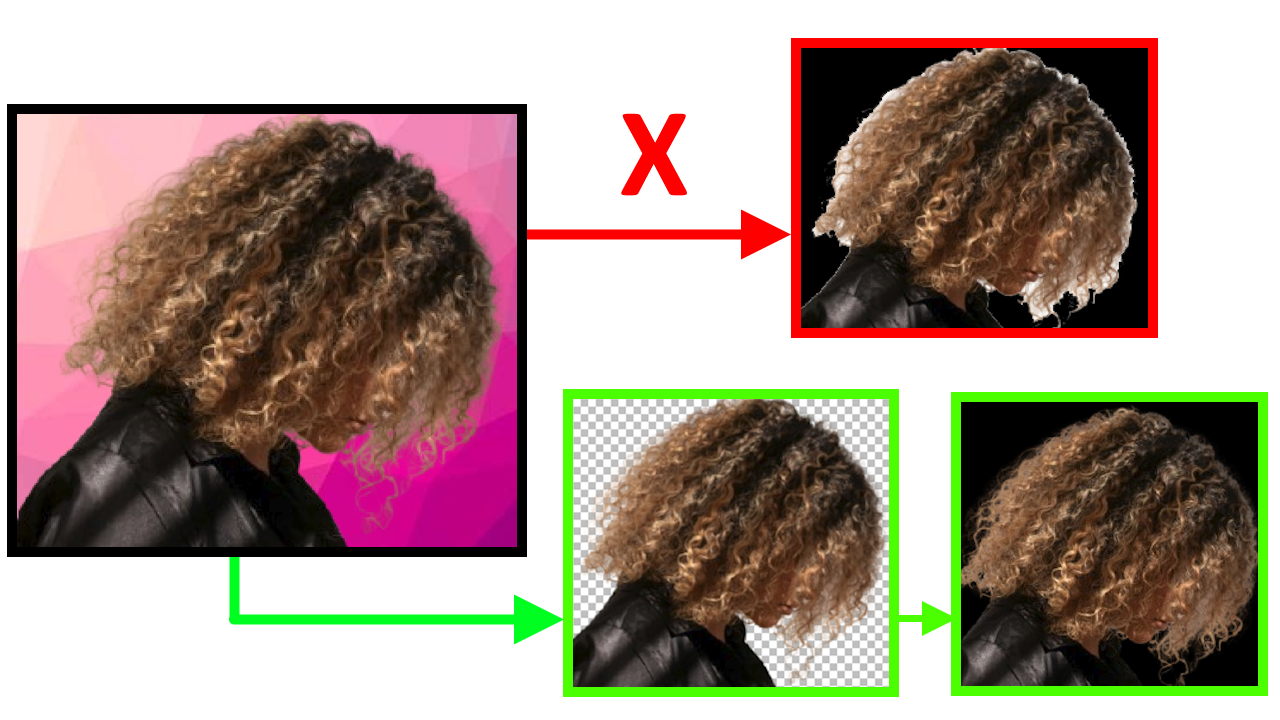
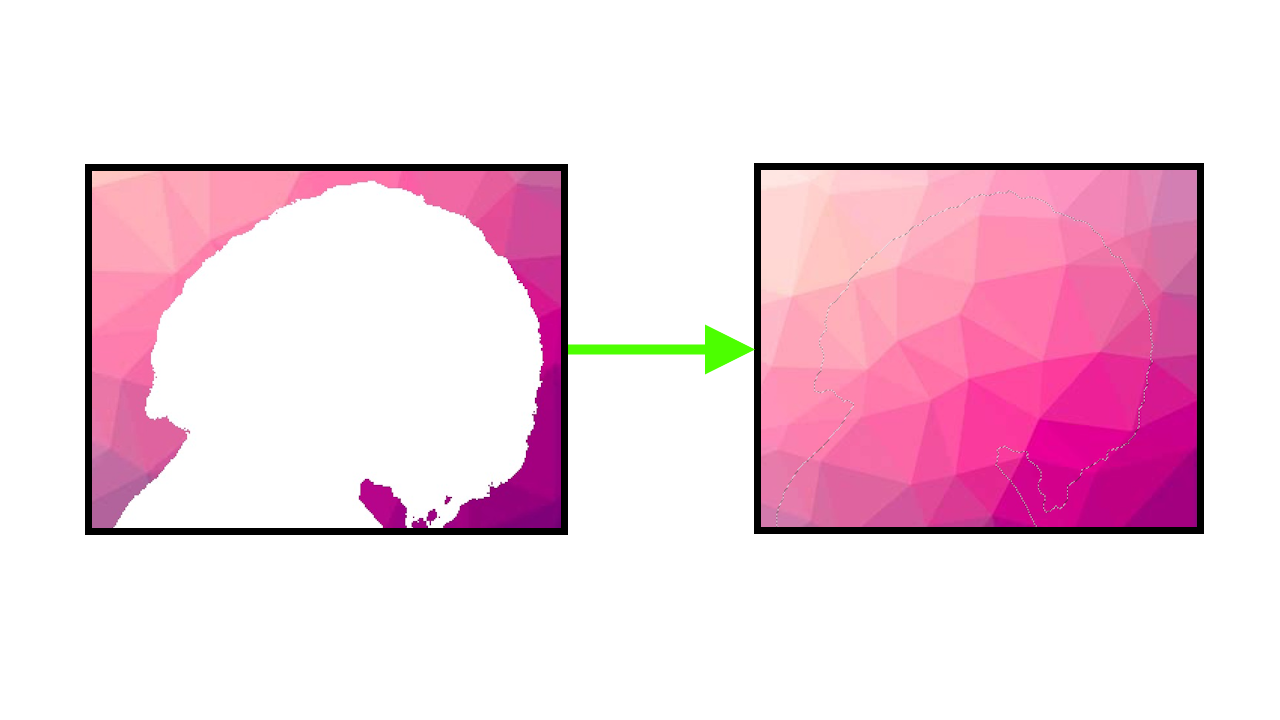
With Bobtail's structure, selecting even complex objects in an image becomes straightforward.
And because the analysis understands color transitions, it can identify the correct opacity at the edges, so the selection copies and pastes cleanly.
Fill in gaps
Bobtail's pattern analysis of a background makes it possible to fill in gaps automatically.
Content Generation
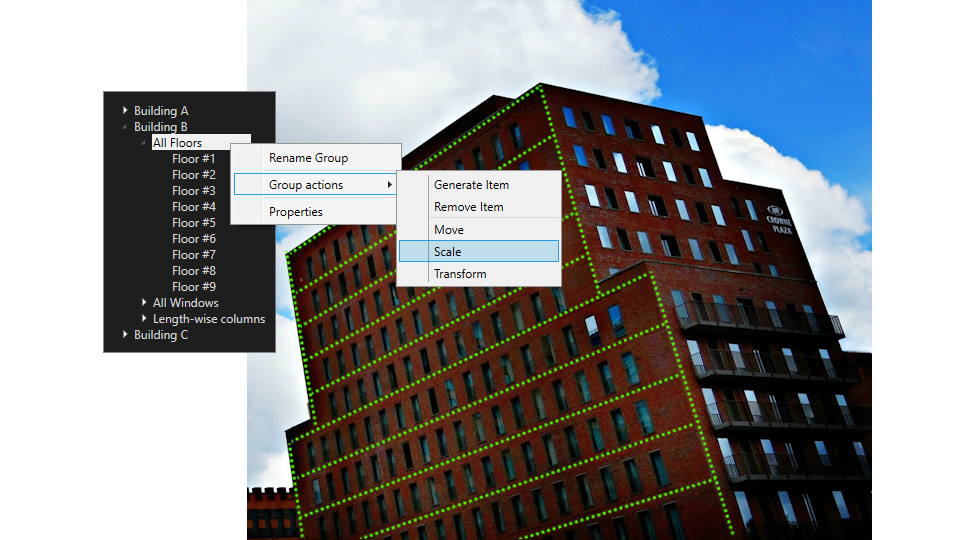
One of the most powerful applications the analysis makes possible is mapping out the structure of an image and using that information for high-level operations. In this example the structure of the office tower has been mapped out, showing the number of floors and how they are composed. Editing the height of the floors or generating new ones, while taking the perspective into account, becomes a simple operation.
Texture editing
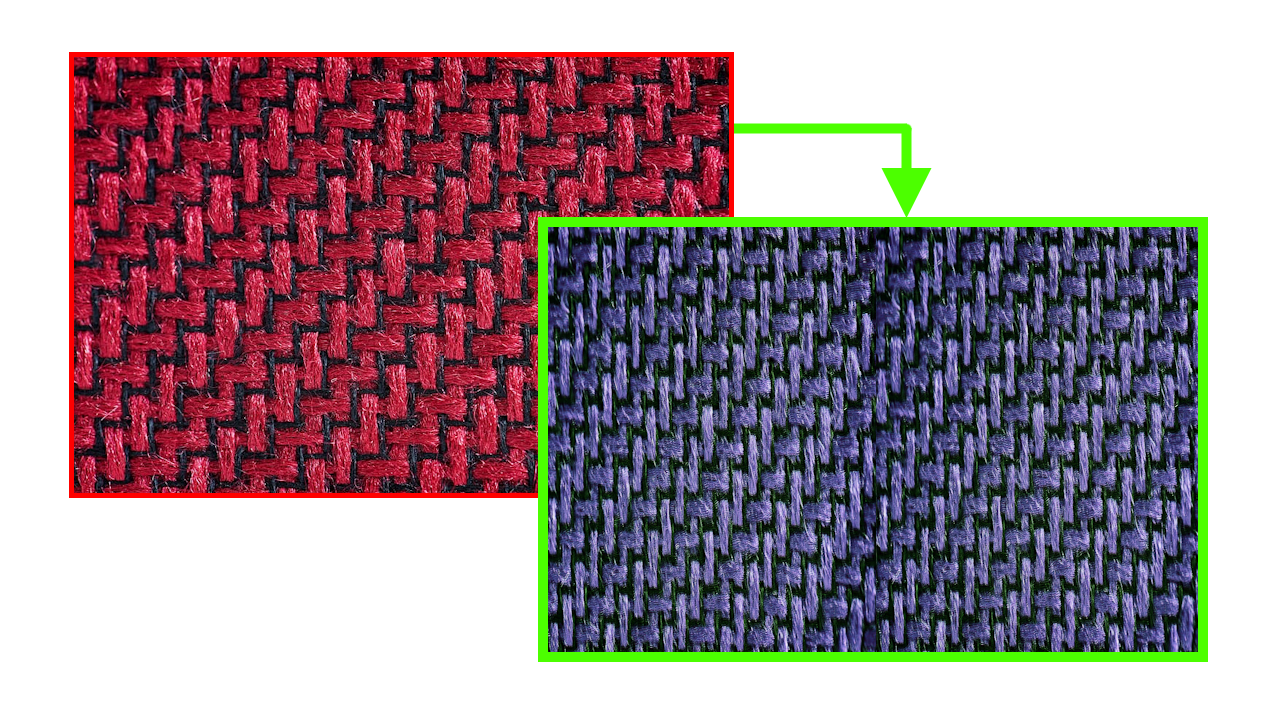
Complex textures in images can be transformed in shape and color as a single operation. Tasks that take hours by hand become a matter of seconds.
A denser input for image AI.
Bobtail's output could change the way AI processes images. Feeding the structure of an image to a neural network, rather than raw pixels, is a denser input with a higher signal-to-noise ratio.
Our expectation is that this means fewer training images, smaller networks, and more control over the result. This is currently a research direction rather than a product. The first step is to measure the effect with conventional networks once direct vectorization is available.
Bigger is better?
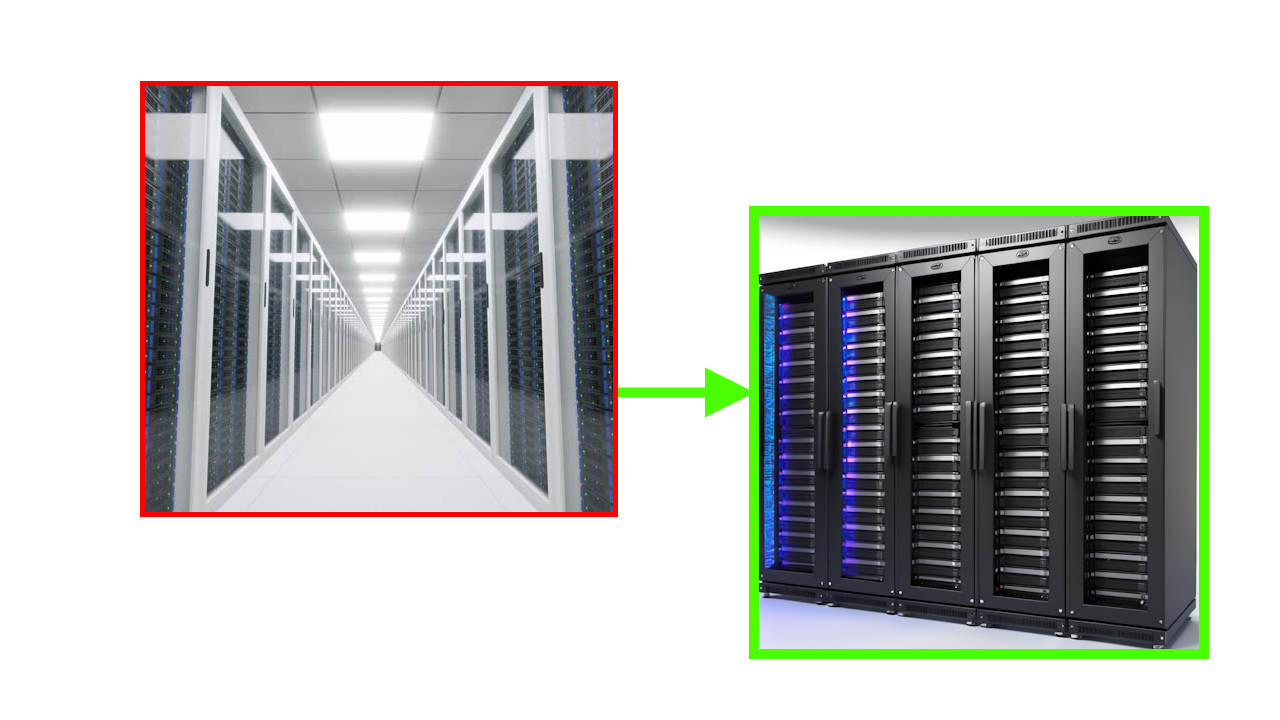
There is a strong tendency in the image AI industry to think: the bigger our servers and training sets, the better our results. But is this necessarily the case?
If the structure of an image can replace raw pixels as input, the resources required by AI processes could drop considerably.
That would mean smaller training sets, fewer compute resources and less storage.
Simplify AI
Powerful as they are, modern neural network solutions are still error prone and notoriously hard to debug.
Many teams have found that beyond a certain point, it becomes extremely hard to improve results, suffering from diminishing returns.
A structured, interpretable input gives programmers a handle on what the network is actually working with, which we expect to lead to more accurate results and reduced development times.

The Green Choice
Reducing the compute resources required during all phases of working with AI does not only save money. It spares the environment to boot.